Introduction: Navigating Complexity
Sources of complexity
- Human behavior — coordination, incentives, communication, decision styles.
- System behavior — many parts interacting, technical constraints, integration effects.
- Ambiguity — shifting goals/constraints, incomplete information, uncertainty.
How to navigate (competencies)
- Apply critical thinking to form appropriate action plans.
- Practice effective communication across stakeholders.
- Research the program/project prior to approval.
- Select & tailor approaches, tools, and techniques to context.
- Maintain preparedness, awareness, and vigilance.
Creative vision vs technical reality
Designers envisioned a fully integrated, cinematic pull‑sequence under player control. In practice, unstable camera tracking desynced animations and caused frame drops, revealing engine limits under deadline pressure.
Why this matters in Project Management
- Helps teams anticipate challenges instead of reacting late.
- Enables informed decisions under uncertainty.
- Maintains alignment across stakeholders to achieve success.
Case Study: Irish Arts Council — Business Transformation Project

Timeline
- April 2020 — Project initiated.
- September 2022 — Target delivery (already slipped by ~1 year).
- June 2024 — Project fully discontinued after consultant review and board discussion.
Budget
- Initial estimate: €2.87M (~$3.3M).
- Total spent at cancellation: €6.7M (~$7.8M).
Key Statements & Actions
- Minister Patrick O’Donovan: Initial departmental review found the Arts Council was not prepared for the scale of the project and did not assign adequate resources.
- Director Maureen Kennelly: Multiple factors contributed; reliance on external contractors due to limited internal capacity.
- As delivery neared (Sep 2022), numerous bugs were discovered; contracts with testers and developers were terminated.
- Developers, project governance, and management structure were changed in response.
- External consultants later concluded the system was too flawed to correct in a reasonable timeframe → decision to cancel (Jun 2024).
Refs (from case doc): Irish Times coverage on project cost overrun and cancellation; legal action report links included in source document.
Real‑World Example: "How Dead Space's Scariest Scene Almost Killed the Game"
Why it was complex
- High creative ambition: cinematic horror & immersion.
- Many moving parts: gameplay systems, visuals, sound, narrative, engine performance.
- Tight schedules and resource constraints.
Key complexities
- Technical: lighting, particles, mechanics, and performance optimization.
- Cross‑team coordination: animation, audio, level design, engineering synchronization.
- Risk of failure: flagship scene tied to deadlines & team morale.
- Iterative churn: repeated testing, failure, and rework.
- Simplification challenge: balancing ambition vs feasibility.
How this adds value
- Connects theory (complexity sources) to shipped results.
- Builds reflexes for de‑risking: prototype, prioritize, integrate, iterate.
- Improves team alignment and decision speed under pressure.
Dead Space Early Development Images
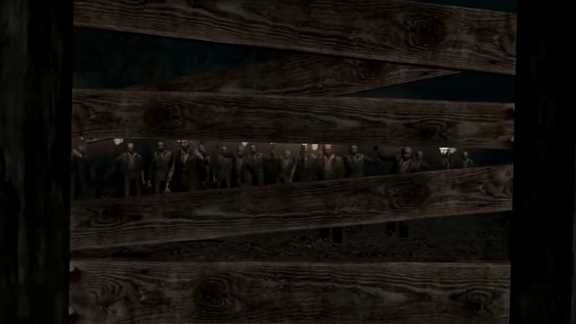
Scene Setup (Early Concept)– When the developers show or describe the initial idea for the Tentacle Grab sequence.
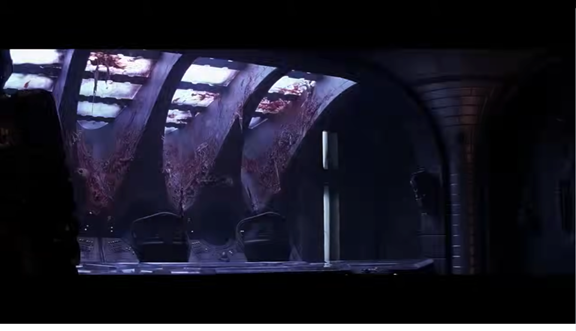
Any clip where developers or animators discuss synchronization challenges.
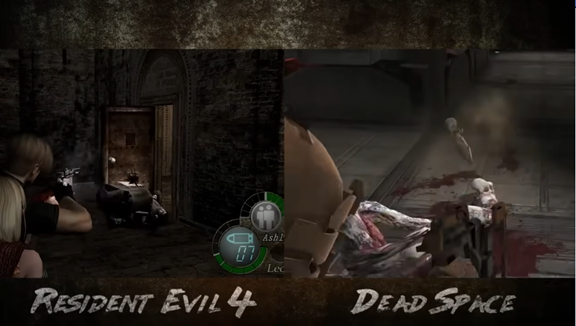
**Debug or Prototype Footage** – When they show testing phases or broken animations.
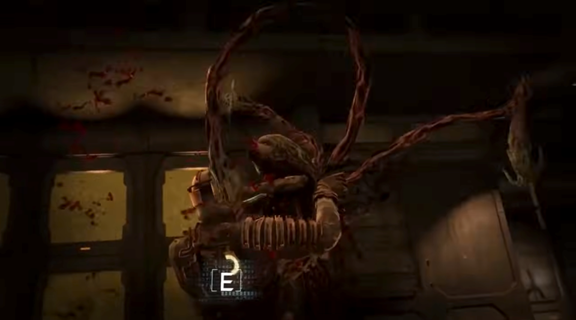
**Final Scene in Action** – The finished Tentacle Grab moment from the final game, demonstrating the payoff of their efforts.
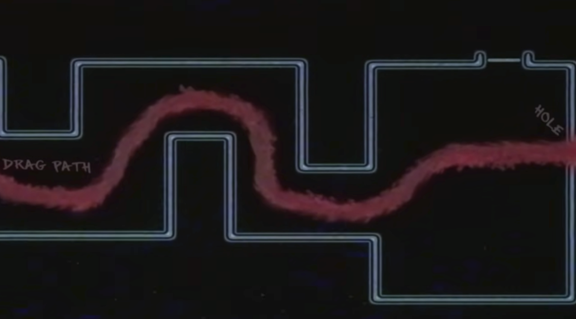
Map Layout Concept
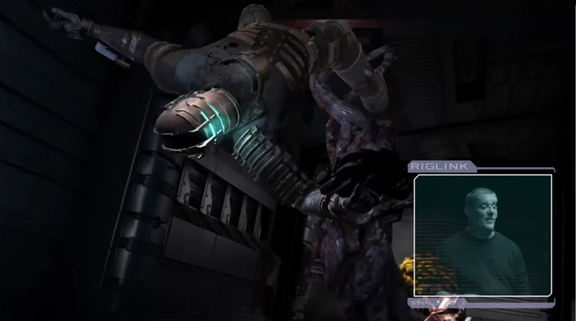
Additonal Image Dervied from Footage showcased in the Interview.
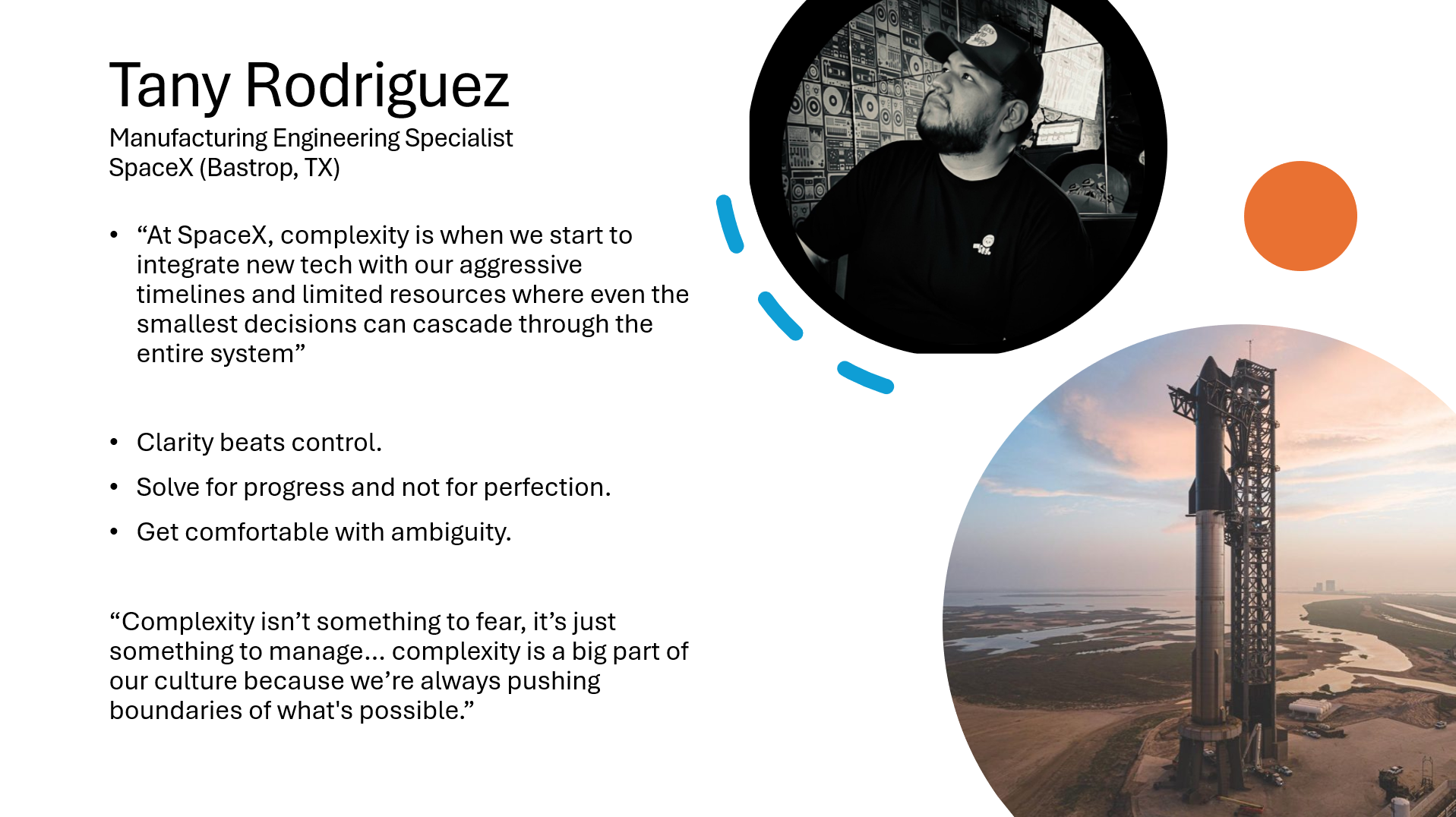
Tany Rodriguez - Interview
Final Check — 10‑Question Multiple Choice Quiz
Thank You
References
https://www.irishtimes.com/culture/2025/02/12/arts-council-controversy-ministers-told-6-millionwasted-on-proposed-new-it-system/
https://www.irishtimes.com/culture/2025/05/28/arts-council-takes-legal-action-against-contractors-in-67m-it-project/